


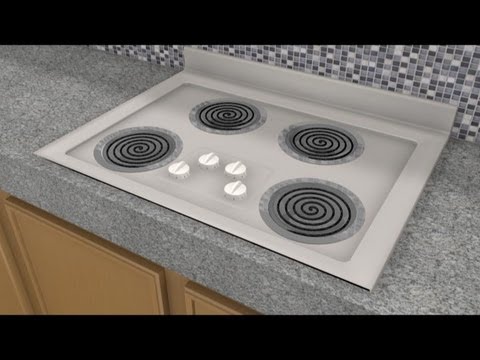


Guide to Converting Between Gas and Electric Ranges, Ovens, and Cooktops
Converting between gas and electric cooking appliances like ranges, ovens, or cooktops can enhance your kitchen’s functionality, but it requires careful planning to ensure safety, code compliance, and proper performance. Always consult a licensed electrician or professional installer before attempting any electrical work, as improper wiring can lead to fire hazards, electrical shocks, or appliance damage. Follow local building codes (e.g., NEC in the US) and manufacturer instructions. If you’re unsure, hire a pro—DIY electrical work isn’t recommended for beginners.
Below, I’ll outline key tips for conversions, focusing on electrical compatibility, wiring upgrades, and reconfiguration options. This covers common scenarios like switching from electric to gas (or vice versa) for cooktops, standalone ranges, or ovens.
1. Understanding Electric Appliance Requirements
- Voltage and Amperage: Most electric cooktops, ranges, and ovens operate on 220-240V circuits. Cooktops typically need 40-50 amps, while full ranges might require 50 amps or more. Temperature controls often run on 110-120V (derived from the 220V circuit), with 220V heating elements for cooking.
- Circuit Breaker and Wiring: Match the breaker size to the wire gauge (e.g., #8 AWG copper for 40 amps, #6 AWG for 50 amps). Use copper wire for better conductivity and safety; aluminum is possible but requires anti-oxidant paste and compatible connectors.
- Compatibility Between Cooktops and Ranges: If replacing a built-in cooktop with a freestanding range (or vice versa), the existing wiring may work if you remove cabinets as needed. However, check for modern features like digital controls, which demand proper neutral-ground separation to avoid surges damaging electronics.
2. Upgrading Older Wiring (3-Wire to 4-Wire)
Many older homes use 3-wire Romex (two hots + ground) for 220V appliances, but current codes require 4-wire setups (two hots, neutral, ground) for safety.
- Why Upgrade?: In 4-wire systems, the neutral and ground are isolated to prevent voltage spikes from harming digital circuit boards in modern appliances. The neutral should only bond to ground at the main panel’s neutral bus bar—not elsewhere.
- Steps for Upgrade:
- Turn off power at the breaker and verify with a voltage tester.
- Replace the 3-wire cable with 4-wire Romex (e.g., 6/3 with ground for 50 amps).
- At the appliance: Connect black/red (hots) to L1/L2, white (neutral) to N, and bare/green (ground) to the chassis ground.
- At the panel: Ensure neutrals go to the neutral bar and grounds to the ground bar.
- If Keeping 3-Wire (Not Recommended): Some older appliances allow bonding neutral to ground at the appliance, but this violates modern codes (post-1996 NEC). Upgrade whenever possible for safety.
3. Converting from Electric to Gas
Gas appliances are often more energy-efficient and cost-effective if natural gas or propane lines are available. You can sometimes repurpose electric wiring for gas controls.
- Reusing Wiring: Gas ranges/cooktops need only 110-120V (20 amps) for ignition, controls, and lights—no 220V required for heating.
- With existing 3-wire 220V: Reconfigure to 110V by remarking wires (e.g., use one hot as line, the other as neutral, and keep ground). Re-wire connecting at both ends (appliance and panel) to create a 120V circuit. Cap the unused hot wire safely.
- This is cheaper than new wiring but must comply with codes—consult an electrician to avoid overloads and safety issues.
- Gas Line Installation: You’ll need a licensed plumber to run gas lines, install shut-off valves, and test for leaks. Ensure ventilation (e.g., range hood) meets code for gas combustion byproducts.
- Cost Savings: For new builds or remodels with gas access, starting with gas avoids heavy electrical upgrades.
4. Converting from Gas to Electric
- New Circuit Needs: Run a dedicated 220-240V circuit from the panel to the appliance location. Use appropriate wire gauge and breaker size based on the appliance’s specs.
- Removing Gas Components: Cap gas lines securely and remove old fittings. A pro should handle this to prevent leaks.
- Appliance Swap: Ensure the new electric unit fits the space; built-in cooktops may need cabinet modifications.
5. Wiring Tips for New or Replacement Electric Installations
For cooktops or ranges, focus on safe, code-compliant connections. Use tools like wire strippers, voltage testers, and torque screwdrivers.
- Cooktop Wiring:
- Run wire from the panel to a point below the countertop cutout.
- Install a 4-inch square metal junction box (J-box) in the cabinet base, screwed securely.
- Protect wires with aluminum flex conduit (every 18-24 inches support; keep high and clear of items).
- If the cooktop has a factory J-box, skip the extra one.
- Connections:
- Black/red (hots) to appliance L1/L2 (often black/red on factory wires).
- White (neutral) to appliance white.
- Green/bare (ground) to appliance ground wire or chassis.
- Add a ground pigtail if needed: Bond to the metal frame with a green grounding screw (drill/tap if no hole exists). Grounds are critical—don’t skip!
- Cover the J-box and test connections.
- Freestanding Range Wiring:
- Buy a 50-amp range cord/plug (surface or flush mount).
- Match colors: Black/red to hots (L1/L2), white to neutral, green to ground.
- Plug into a matching receptacle wired to the circuit.
6. General Safety and Best Practices
- Tools and Materials: Use UL-listed components. Have GFCI protection if near water sources.
- Testing: After wiring, test for continuity, proper voltage, and no shorts. Use a multimeter.
- Common Mistakes to Avoid: Don’t bond neutral and ground prematurely. Avoid overloading circuits. Never work on live wires.
- When to Call a Pro: If dealing with panel upgrades, long wire runs, or gas work—always prioritize safety over savings.
- Resources: Check manufacturer manuals, NEC guidelines, or sites like Home Depot/YouTube for visuals (but verify with codes).
Discover more from ElectricalAnswerman
Subscribe to get the latest posts sent to your email.
You must be logged in to post a comment.